

Your procurement team faces an overwhelming marketplace of AI SaaS solutions, each claiming to revolutionize your business operations. Marketing promises blur together. Vendor presentations sound remarkably similar. How do you cut through the noise to identify which AI tools actually deliver measurable business value versus expensive digital placeholders?
This challenge drives enterprise leaders toward systematic evaluation frameworks that transform subjective vendor assessments into objective, data-driven decisions. Artificial Intelligence SaaS product classification criteria provide the structured methodology you need to evaluate, categorize, and select artificial intelligence software solutions based on measurable business outcomes rather than marketing hyperbole. This comprehensive guide delivers the enterprise-grade classification framework that procurement professionals, technology leaders, and strategic decision-makers use to navigate the complex AI SaaS landscape with confidence and precision.
Understanding AI SaaS Classification Fundamentals
AI SaaS product classification criteria represent a systematic approach to evaluating and categorizing artificial intelligence software solutions based on multiple dimensions, including functionality, deployment architecture, business impact, and strategic alignment. Unlike traditional software evaluation frameworks that focus primarily on features and pricing, AI SaaS classification requires understanding the unique characteristics that distinguish intelligent software from conventional business applications.
The complexity of AI SaaS classification emerges from the diverse range of artificial intelligence capabilities embedded within modern software solutions. Some platforms provide narrow AI functionality focused on specific tasks like document processing or customer service automation, while others offer broad AI capabilities spanning multiple business functions and departments. Understanding these distinctions becomes crucial for accurate evaluation and appropriate vendor selection.
Traditional SaaS evaluation criteria often prove inadequate for AI-powered solutions because they fail to address critical considerations like model accuracy, training data quality, algorithmic transparency, and continuous learning capabilities. AI SaaS products require additional evaluation dimensions that assess the intelligence quality, adaptation mechanisms, and long-term improvement potential that distinguish truly valuable AI solutions from simple automation tools.
The enterprise implications of effective AI SaaS classification extend beyond vendor selection to encompass strategic technology planning, budget allocation, and organizational capability development. Companies that implement systematic classification frameworks make more informed purchasing decisions, achieve better ROI from AI investments, and avoid costly mistakes that can derail digital transformation initiatives.
Modern AI SaaS classification frameworks incorporate insights from international standards, industry best practices, and real-world enterprise implementations. These frameworks provide structured methodologies that enable consistent evaluation across different solution categories while accommodating the rapid evolution of AI technology capabilities and business applications.
Understanding the strategic importance of proper classification helps enterprise leaders allocate resources effectively, identify capability gaps, and develop comprehensive AI adoption strategies that align with organizational objectives and operational requirements.
OECD Framework and International Classification Standards
The Organisation for Economic Co-operation and Development has established comprehensive AI system classification standards that provide authoritative guidance for evaluating AI SaaS products across multiple dimensions. This framework offers enterprise decision-makers internationally recognized criteria for systematic AI software assessment and procurement planning.
The OECD AI classification framework evaluates artificial intelligence systems across five critical dimensions that directly apply to SaaS product evaluation. The People and Planet dimension assesses social and environmental impacts, including job displacement effects, sustainability considerations, and broader societal implications of AI deployment within enterprise environments.
Economic Context evaluation examines the business model implications, cost structures, and economic benefits associated with different AI SaaS solutions. This dimension helps procurement teams understand the total cost of ownership, revenue impact potential, and strategic economic positioning of AI investments within organizational budgets and business strategies.
Data and Input classification criteria analyze the quality, diversity, and appropriateness of training data used by AI SaaS solutions. Understanding data foundations becomes crucial for enterprise evaluation because data quality directly impacts AI system accuracy, bias potential, and long-term performance reliability in production environments.
AI Model assessment focuses on the underlying artificial intelligence technologies, algorithms, and architectures that power SaaS solutions. This technical evaluation dimension helps enterprise technology teams understand capabilities, limitations, and integration requirements necessary for successful AI SaaS deployment and ongoing operational management.
Task and Output evaluation examines the specific business functions, decision types, and operational outcomes that AI SaaS solutions are designed to address. This dimension ensures alignment between solution capabilities and enterprise requirements while identifying potential gaps or overlaps in AI functionality coverage.
The OECD framework’s comprehensive approach provides enterprise teams with systematic evaluation criteria that extend beyond vendor marketing claims to address fundamental questions about AI system appropriateness, effectiveness, and strategic value for specific organizational contexts and business objectives.
AI SaaS Product Classification Criteria Framework
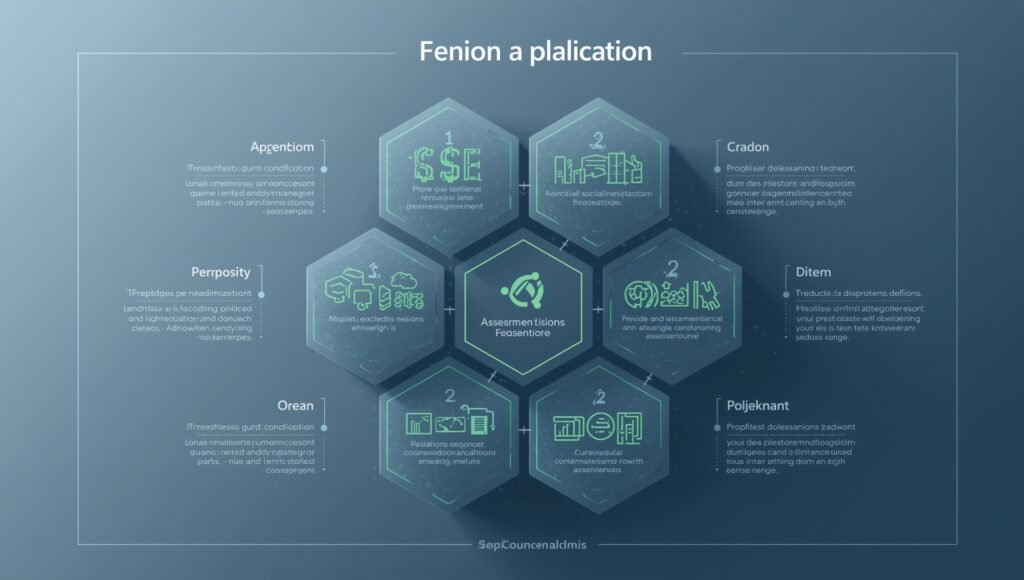
Developing effective AI SaaS product classification criteria requires understanding the multiple dimensions that distinguish different types of artificial intelligence software solutions in enterprise environments. This systematic approach enables procurement teams to evaluate vendors objectively while ensuring alignment between solution capabilities and organizational requirements.
Functional positioning represents the foundational classification dimension that determines what layer of the enterprise technology stack each AI SaaS solution serves. Infrastructure-layer solutions provide foundational AI capabilities like machine learning platforms and data processing engines that support multiple applications across the organization. Platform-layer solutions offer development environments and integration capabilities that enable custom AI application development and deployment.
Application-layer AI SaaS products deliver specific business functionality through intelligent software interfaces designed for end-user interaction and departmental workflows. These solutions typically address particular business functions like customer service, marketing automation, or financial analysis while incorporating AI capabilities to enhance traditional software functionality with intelligent automation and decision support.
Deployment architecture classification examines how AI SaaS solutions integrate with existing enterprise infrastructure and data systems. Cloud-native solutions operate entirely within vendor-managed environments, providing scalability and maintenance benefits while requiring careful consideration of data residency and integration requirements for enterprise deployment scenarios.
Hybrid deployment models combine cloud-based AI processing with on-premises data management, offering enterprises greater control over sensitive information while leveraging cloud scalability for computational requirements. On-premises AI SaaS solutions provide maximum data control and security but require significant infrastructure investment and ongoing technical management capabilities.
Business impact classification evaluates the strategic value and operational implications of different AI SaaS solutions within enterprise contexts. Operational efficiency solutions focus on automating existing processes and reducing manual work through intelligent automation capabilities that improve productivity without fundamentally changing business operations or customer experiences.
Strategic transformation solutions enable new business capabilities, revenue streams, or competitive advantages through AI-powered functionality that was previously impossible or impractical. These solutions typically require greater organizational change management but offer higher potential returns on investment through business model innovation and market differentiation opportunities.
Intelligence sophistication levels distinguish between rule-based automation, machine learning applications, and advanced AI capabilities like natural language processing or computer vision. Understanding these distinctions helps enterprise teams set appropriate expectations and evaluation criteria for different types of AI SaaS solutions.
Enterprise Evaluation Matrix and Assessment Methodology
Creating systematic enterprise evaluation approaches for AI SaaS products requires structured methodologies that balance technical capabilities with business requirements while maintaining objectivity throughout the vendor assessment process. The enterprise evaluation matrix provides frameworks that enable consistent, comprehensive analysis across multiple solution categories and vendor options.
The SaaS evaluation framework begins with requirements analysis that clearly defines organizational needs, success criteria, and constraint parameters before engaging with potential vendors. This preliminary analysis prevents feature-driven decision-making and ensures evaluation processes focus on business outcomes rather than impressive but irrelevant technological capabilities.
Vendor assessment criteria should encompass multiple evaluation dimensions, including technical capabilities, business model alignment, implementation requirements, and long-term strategic considerations. Technical evaluation examines AI model accuracy, integration capabilities, scalability characteristics, and security implementations that directly impact enterprise deployment success and operational effectiveness.
Business alignment assessment evaluates pricing models, contract terms, service level agreements, and vendor stability indicators that affect the total cost of ownership and long-term relationship sustainability. Understanding vendor financial health, customer retention rates, and product development roadmaps helps enterprise teams make informed decisions about strategic technology partnerships.
Implementation complexity analysis examines deployment requirements, training needs, change management implications, and integration challenges that affect project success probability and resource requirements. Solutions with lower implementation complexity often provide faster time-to-value but may offer limited customization options for unique enterprise requirements.
Risk assessment framework evaluation identifies potential security vulnerabilities, compliance gaps, regulatory implications, and operational dependencies that could impact enterprise operations or create future liability. Comprehensive risk analysis includes technical risks like system failures or integration problems as well as business risks like vendor lock-in or strategic misalignment.
Performance measurement criteria establish baseline metrics and success indicators that enable objective evaluation of AI SaaS solution effectiveness after implementation. Clear performance metrics facilitate vendor comparison, ROI calculation, and ongoing optimization of AI investments throughout the enterprise technology lifecycle.
The evaluation matrix methodology ensures consistent assessment approaches across different evaluation teams, solution categories, and procurement cycles while maintaining flexibility to accommodate unique organizational requirements and evolving technology capabilities within the dynamic AI SaaS marketplace.
Business Model Types and Commercial Classifications
Understanding the diverse business model types within the AI SaaS landscape enables enterprise procurement teams to evaluate commercial structures, pricing implications, and strategic alignments that affect long-term value realization and vendor relationships. Different business models create distinct cost structures, risk profiles, and implementation approaches that require careful consideration during evaluation processes.
Subscription-based AI SaaS models offer predictable monthly or annual fees that include software access, updates, and basic support services. These models provide budget predictability and lower initial investment requirements while enabling scalable usage growth as organizational AI adoption expands. However, subscription models may create ongoing cost pressures and potential vendor dependency that require careful contract negotiation and exit planning.
Usage-based pricing models charge enterprises based on actual consumption of AI services, transactions processed, or outcomes achieved. These models align vendor incentives with customer success while providing cost flexibility for variable workloads. Usage-based pricing can be particularly attractive for enterprises with seasonal demand patterns or uncertain adoption trajectories.
Outcome-based business models tie AI SaaS pricing to specific business results or performance improvements achieved through the software implementation. These models reduce enterprise risk by ensuring payment correlates with value delivery, but they require sophisticated measurement systems and clear success criteria to operate effectively in practice.
Hybrid commercial structures combine multiple pricing elements to address different aspects of AI SaaS value delivery. For example, solutions might include base subscription fees for platform access plus usage charges for premium features or outcome bonuses for exceeding performance targets. Understanding these complex structures requires careful analysis of total cost scenarios under different usage patterns.
Enterprise licensing models provide comprehensive AI SaaS access for large organizations through negotiated agreements that often include customization, integration support, and dedicated resources. These models offer greater predictability and customization options but require significant upfront commitments and careful evaluation of long-term organizational requirements.
Marketplace and ecosystem models enable enterprises to access multiple AI capabilities through unified platforms that aggregate various AI services and providers. These models offer flexibility and reduced vendor management overhead while potentially creating integration challenges and complex support relationships that require careful evaluation.
Understanding commercial model implications helps enterprise teams structure contracts, negotiate terms, and plan budgets that align with organizational financial management practices while optimizing value realization from AI SaaS investments throughout the technology adoption lifecycle.
Risk Assessment and Compliance Evaluation Framework
Comprehensive risk assessment represents a critical component of AI SaaS product classification criteria because artificial intelligence systems introduce unique security, compliance, and operational risks that traditional software evaluation frameworks often overlook. Enterprise organizations require systematic approaches to identifying, evaluating, and mitigating these risks throughout the AI SaaS selection and implementation process.
Security risk classification examines data protection mechanisms, access controls, encryption implementations, and vulnerability management practices that protect enterprise information within AI SaaS environments. Understanding security architectures becomes particularly important for AI solutions because they often process sensitive business data and may require integration with critical enterprise systems.
Compliance evaluation framework assessment analyzes AI SaaS solutions against relevant regulatory requirements including data privacy laws, industry-specific regulations, and emerging AI governance standards. Organizations operating in regulated industries must ensure AI SaaS solutions maintain compliance with GDPR, HIPAA, SOX, or other applicable regulatory frameworks throughout the implementation lifecycle.
Algorithmic transparency and explainability requirements vary significantly across different AI SaaS solutions and may impact regulatory compliance, audit requirements, and decision-making processes within enterprise environments. Solutions with limited explainability may be unsuitable for applications requiring clear audit trails or regulatory documentation of decision processes.
Data governance and privacy protection measures within AI SaaS solutions affect enterprise ability to maintain control over sensitive information while leveraging artificial intelligence capabilities. Understanding data residency options, processing locations, and retention policies becomes crucial for organizations with strict data governance requirements or international operations.
Vendor risk assessment examines the financial stability, security practices, and operational reliability of AI SaaS providers to ensure long-term service availability and data protection. Vendor evaluation should include analysis of backup procedures, disaster recovery capabilities, and business continuity planning that protect enterprise operations from service disruptions.
Intellectual property and data ownership considerations affect enterprise rights to information processed by AI SaaS solutions and may impact competitive advantages or regulatory compliance requirements. Clear contractual language regarding data ownership, model training, and intellectual property rights prevents future disputes and protects organizational interests.
Risk mitigation strategies should address identified vulnerabilities through contractual protections, technical safeguards, and operational procedures that reduce potential negative impacts while enabling effective AI SaaS utilization within acceptable risk tolerance levels established by enterprise leadership and governance frameworks.
Implementation Strategy and Integration Assessment
Successful AI SaaS implementation requires systematic evaluation of integration requirements, change management implications, and organizational readiness factors that determine project success probability and value realization timelines. Implementation strategy assessment ensures realistic planning and resource allocation for AI SaaS deployment projects within enterprise environments.
Technical integration complexity analysis examines API capabilities, data format compatibility, authentication mechanisms, and system architecture requirements necessary for effective AI SaaS deployment within existing enterprise technology infrastructure. Understanding integration requirements helps project teams plan development efforts and identify potential technical challenges before implementation begins.
Data preparation and migration requirements often represent significant implementation challenges for AI SaaS solutions because artificial intelligence systems require high-quality, properly formatted data to operate effectively. Assessment of data cleaning, transformation, and migration efforts helps enterprise teams budget appropriate resources and timeline expectations for successful deployment.
Organizational change management considerations include user training requirements, workflow modifications, and cultural adaptations necessary for effective AI SaaS adoption throughout the enterprise. Solutions requiring extensive behavioral changes may face adoption resistance that could undermine project success despite technical implementation effectiveness.
Performance monitoring and optimization frameworks ensure ongoing AI SaaS effectiveness through systematic measurement of key performance indicators, user satisfaction metrics, and business outcome achievement. Establishing monitoring systems during implementation planning enables continuous improvement and value optimization throughout the solution lifecycle.
Scalability planning examines growth accommodation capabilities, performance characteristics under increased load, and expansion options that support long-term organizational requirements as AI SaaS usage evolves within the enterprise environment. Understanding scalability limitations prevents future bottlenecks and expensive migration requirements.
Support and maintenance considerations include vendor service level agreements, internal resource requirements, and ongoing operational responsibilities that affect the total cost of ownership and long-term success sustainability. Comprehensive support planning ensures continuous solution effectiveness while managing operational overhead within acceptable organizational limits.
Expert Recommendations and Industry Best Practices
Industry experts and enterprise AI leaders provide valuable insights into effective AI SaaS classification and evaluation approaches that have proven successful in real-world implementations across different organizational contexts and use cases. These expert perspectives help enterprise teams avoid common pitfalls while implementing systematic approaches to AI SaaS vendor selection and management.
Leading enterprise technology strategists consistently emphasize the importance of aligning AI SaaS evaluation criteria with specific business objectives rather than pursuing general-purpose solutions that may lack focus or specialized capabilities. Successful organizations typically achieve better outcomes by selecting AI SaaS solutions designed for their specific industry, use case, or operational requirements.
Procurement specialists recommend implementing multi-stage evaluation processes that progress from broad market analysis to detailed vendor assessment to pilot implementation testing. This staged approach enables systematic elimination of unsuitable vendors while providing comprehensive evaluation of finalist solutions through real-world testing scenarios that validate vendor claims and organizational fit.
Technology integration experts highlight the critical importance of API quality, documentation completeness, and integration support resources that determine implementation success probability and ongoing operational effectiveness. AI SaaS solutions with poor integration capabilities often create expensive custom development requirements that significantly increase total cost of ownership.
Risk management professionals recommend comprehensive contract negotiations that address data ownership, liability allocation, service level guarantees, and termination procedures that protect enterprise interests throughout the AI SaaS relationship lifecycle. Clear contractual protections prevent disputes and ensure appropriate risk allocation between enterprise customers and AI SaaS vendors.
Performance measurement specialists emphasize establishing baseline metrics and success criteria before AI SaaS implementation to enable objective assessment of value delivery and return on investment. Organizations without clear measurement frameworks often struggle to optimize AI SaaS utilization or justify continued investment in artificial intelligence initiatives.
Change management experts recommend early stakeholder engagement, comprehensive training programs, and gradual rollout strategies that facilitate user adoption while minimizing operational disruption during AI SaaS implementation. Successful change management significantly improves project outcomes and long-term solution effectiveness within enterprise environments.
Conclusion
This comprehensive analysis reveals that effective AI SaaS product classification criteria require systematic frameworks that extend beyond traditional software evaluation to address the unique characteristics, risks, and opportunities presented by artificial intelligence solutions in enterprise environments. The complexity of AI SaaS evaluation demands structured approaches that balance technical capabilities with business requirements while maintaining objectivity throughout vendor selection processes.
The question of how to classify AI SaaS products effectively depends on implementing multi-dimensional evaluation frameworks that incorporate international standards, industry best practices, and organizational requirements into systematic assessment methodologies. Success requires moving beyond vendor marketing claims to examine fundamental questions about AI system appropriateness, effectiveness, and strategic value for specific enterprise contexts.
Understanding AI SaaS product classification criteria empowers procurement teams, technology leaders, and strategic decision-makers to navigate the complex artificial intelligence software marketplace with confidence and precision. The frameworks presented enable informed decisions that align AI investments with organizational objectives while mitigating risks and optimizing value realization throughout the technology adoption lifecycle.
For comprehensive resources on enterprise AI strategy, technology procurement best practices, and advanced evaluation methodologies, you can also read these related resources that provide detailed guidance on building systematic approaches to AI SaaS selection and management within complex organizational environments.
FAQs
- Tavily API: Complete Developer Guide and Integration Tutorial 2025
- NeroVet AI Dentistry: Complete Guide to Veterinary Dental Solutions
What are the main criteria for classifying AI SaaS products?
The main classification criteria include functional positioning (infrastructure, platform, or application layer), deployment architecture (cloud, hybrid, or on-premises), business impact level (operational efficiency or strategic transformation), and intelligence sophistication (rule-based, machine learning, or advanced AI capabilities).
How do you evaluate AI SaaS solutions for enterprise procurement?
Enterprise evaluation requires a systematic assessment across technical capabilities, business model alignment, implementation complexity, risk factors, and compliance requirements using structured evaluation matrices that ensure consistent vendor comparison and objective decision-making processes.
What is the OECD framework for AI system classification?
The OECD framework evaluates AI systems across five dimensions: People & Planet (social and environmental impacts), Economic Context (business model and costs), Data & Input (training data quality), AI Model (underlying technology), and Task & Output (specific business functions and outcomes).
How do AI SaaS products differ from traditional SaaS in classification?
AI SaaS products require additional evaluation criteria, including model accuracy, training data quality, algorithmic transparency, continuous learning capabilities, and explainability requirements that don’t apply to traditional software solutions without artificial intelligence components.
What are the key business model types for AI SaaS classification?
Key business models include subscription-based pricing, usage-based charging, outcome-based payment structures, hybrid commercial models, enterprise licensing agreements, and marketplace ecosystem approaches that aggregate multiple AI services through unified platforms.