
Anthropic released Claude Opus 5.5 on the morning of September 22, 2026. Roughly 90 minutes later, according to TechCrunch, OpenAI answered with GPT-6 Sol. Both companies pitched their model as the smart, affordable pick for coding. Both are sold to regular people through a plan that costs about $20 a month.
Here’s the detail most launch coverage skipped. On Claude Pro, Opus 5.5 sits in the normal model picker: chat, desktop, mobile and Claude Code. On ChatGPT Plus, GPT-6 Sol is only in ChatGPT Work and Codex. OpenAI’s own launch post says the new models “are not yet available in Chat.”
For coding, that gap matters less than it sounds, because Codex is where you’d point Sol anyway. So here’s where we land. If you want the stronger published coding scores inside a $20 plan, Opus 5.5 has the edge on paper. If you care most about cost, or you already live in Codex, GPT-6 Sol is half the price per token and OpenAI’s whole argument is efficiency. Neither company will tell you how many coding tasks $20 actually buys.
One disclosure. Both models are a day old. This comparison is built from the two companies’ launch posts, pricing pages, help-center documents and early press coverage, not from our own testing.
The numbers side by side
| Claude Opus 5.5 | GPT-6 Sol | |
|---|---|---|
| Released | September 22, 2026 | September 22, 2026 |
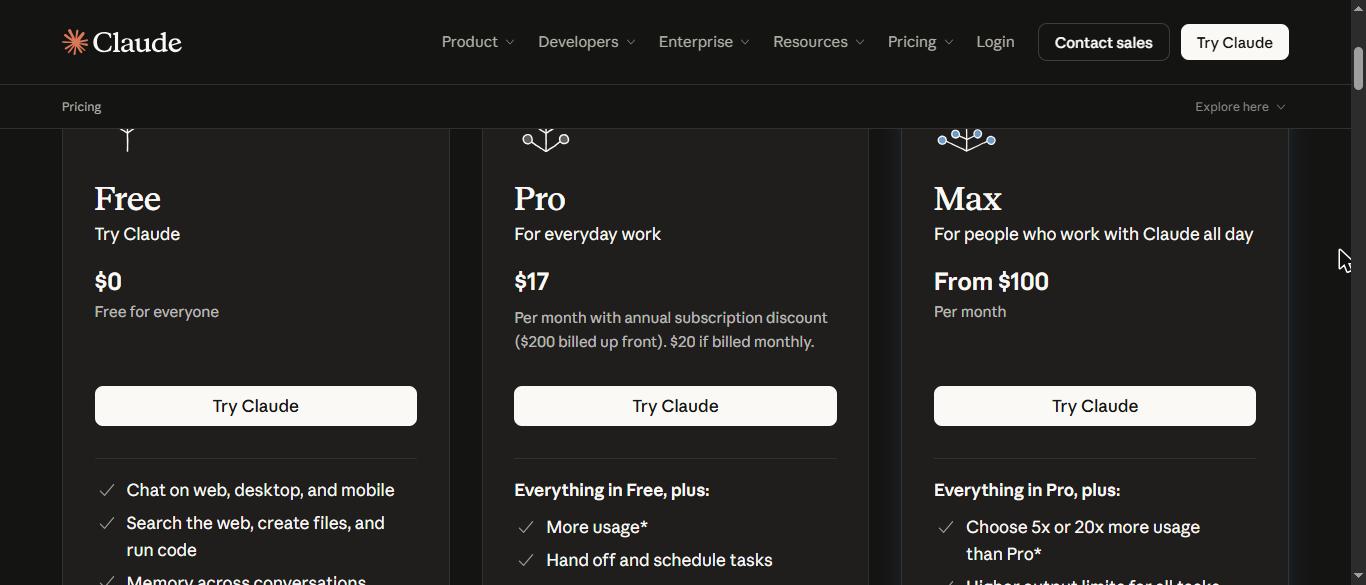
| Cheapest plan that includes it | Claude Pro: $20/month, or $17/month billed annually ($200 up front) | ChatGPT Plus: $20/month |
| Where it works on that plan | Chat (web, desktop, mobile) and Claude Code | ChatGPT Work and Codex only, not regular Chat yet |
| API price per 1M tokens (input / output) | $4 / $20 | $2 / $10 |
| Cached input per 1M tokens | $0.20 | $0.20 |
| Context window | 1M tokens | 1.05M tokens (full request billed higher above 272K input) |
| Max output | 128K tokens | 128K tokens |
| Default reasoning effort | Medium | Medium |
| Published message estimate for the $20 plan | None | None yet |
Sources: Claude pricing, Anthropic’s model overview, OpenAI’s GPT-6 Sol model page and ChatGPT pricing, all checked September 23, 2026.
What the coding benchmarks can and can’t settle
There’s no clean head-to-head. The two models shipped the same morning, so neither launch post tests against the other. You have to triangulate, and every number below was run or reported by the company selling the model.
- FrontierCode v1.1 grades whether an agent’s code would actually be merged. Anthropic reports Opus 5.5 at 54.4% at max effort and 54.6% at its default medium setting. OpenAI says GPT-6 Sol “is able to match Claude Fable 5.1 xhigh,” and Anthropic’s own table puts Fable 5.1 at 50.3%. Read together, Opus 5.5 looks a few points ahead. That’s an inference across two separate test runs, not a measured result.
- Terminal-Bench 4.0 covers multi-step work in a command line. Anthropic lists Opus 5.5 at 66.4%, ahead of GPT-6 Astra’s 57.9%. OpenAI published no Terminal-Bench figure for GPT-6 Sol.
- DeepSWE v1.1 tests long software tasks in real codebases. OpenAI reports GPT-6 Sol at 68.8% at max effort, within 1.1 points of Claude Fable 5’s best score, at about 80% lower cost per task. Anthropic didn’t report DeepSWE for Opus 5.5.
- AutomationBench shows up in both posts, which is tempting. Don’t stack them. OpenAI’s 33.2% for Sol comes from version 1.0.6. Anthropic’s 40.0% for Opus 5.5 came from Zapier’s early-access run, where safety interventions counted as failures.
Anthropic itself adds a caveat worth taking seriously: at this level, it says, “benchmark margins have become a less reliable guide to real-world differences.” Real user reports on either model are still too thin to lean on after 24 hours.
On a subscription, limits cost you more than tokens do
Per-token prices only reach you if you pay through the API. On a $20 plan you pay a flat fee, then hit caps that neither company publishes as fixed numbers.
On the Claude side, everything shares one pool: chat, desktop, mobile and Claude Code all draw from the same five-hour and weekly limits. The recent history is choppy. On September 14, Claude Code’s weekly limits settled at a level Anthropic itself described, as Digital Applied recorded, as a 17% reduction compared with the promotional level users had been on. Eight days later, alongside Opus 5.5, Anthropic said it was raising five-hour limits on Pro, Max and Team plans, but it didn’t say by how much. Subscribers also got a saved rate-limit reset that MacRumors reports can be used any time before October 22.
On the ChatGPT side, Work and Codex share one allowance, again with a five-hour window and a weekly window. OpenAI’s usage page, last updated before this launch, estimates 10 to 100 local messages per five hours for the older GPT-5.6 Sol on Plus. It lists nothing yet for GPT-6 Sol. That range is wide because tasks vary, and one Plus user reported on GitHub that GPT-5.6 Sol at High effort used about 60% of their five-hour limit in roughly six minutes. OpenAI says higher effort and Fast mode both drain the allowance faster.
The upgrade paths aren’t symmetrical either. Claude Max starts at $100 a month. ChatGPT Pro starts at $100 too, but OpenAI has paused new sign-ups to its $200 tier since September 10.
Before you pay: find it, watch the meter, know the exit
Finding the new model
GPT-6 Sol on Plus: open the ChatGPT desktop app, pick ChatGPT from the menu at the top left, then flip the toggle at the top from Chat to Work. Codex is its own entry in that same menu. Choose GPT-6 Sol in the model picker there. OpenAI is rolling it out gradually, so if it isn’t listed, update the app, restart it fully, and check again.
Opus 5.5 on Pro: select it from the model picker on the web, desktop or mobile app. In Claude Code, update to the latest version first. Opus 5.5 defaults to medium effort, which is the setting Anthropic’s cheapest-per-task claims are based on.
Watching your usage
- ChatGPT: Settings, then Usage. It shows which limit you’re near and when it resets.
- Claude: Settings, then Usage on claude.ai. In Claude Code, the /usage command shows your weekly consumption.
The training toggle
Both pricing pages list model training on consumer plans as opt-out, not opt-in. If you’re pasting a client’s code into either tool, turn that setting off in your privacy settings before you start, not after.
Cancelling (steps checked September 23, 2026)
- ChatGPT Plus bought on the web: Settings, then Billing, then Cancel under “Cancel plan.”
- Claude Pro bought on the web or desktop: Settings, then Billing, then Cancel.
- Either one bought through Apple or Google: cancel in your App Store or Google Play subscriptions. Deleting the app doesn’t stop the charge.
Both companies say to cancel at least 24 hours before renewal, and neither refunds automatically. OpenAI says cancelling “does not automatically refund previous charges.” Anthropic says payments are “generally non-refundable” except where its terms or local law say otherwise. These flows change, so double-check before you rely on them.
So which $20 goes further for coding
Pick Claude Pro with Opus 5.5 if you want the new model everywhere, including plain chat, and you value the stronger vendor-reported coding scores. It also fits if you already use Claude Code; our Claude Code vs Cursor breakdown covers how that tool works day to day. Just know that chat and code draw from the same pool.
Pick ChatGPT Plus with GPT-6 Sol if your coding already happens in Codex, you want the cheaper model per token, or you also build on the API, where Sol costs half as much as Opus 5.5. Accept that Sol isn’t in regular Chat yet.
Wait a week if you’re choosing from scratch. Independent tests and real limit reports for both models should arrive soon, and OpenAI still hasn’t published Plus estimates for GPT-6 Sol. Our older look at whether Claude beats ChatGPT for coding and our coding tools roundup predate these models, but the workflow differences they describe still hold.
One last warning. Third-party apps love to advertise every new model name in one cheap bundle within days of a launch. Before paying one, read our Use.AI review for the billing patterns to watch. Buying direct from Anthropic or OpenAI is the only way to know which model you’re really getting.
FAQs
Is GPT-6 Sol available on ChatGPT Plus?
Yes, but only in ChatGPT Work and Codex. OpenAI’s launch post says GPT-6 Sol and Luna aren’t in regular Chat yet, and the rollout is gradual, so some accounts may not see it right away.
Is Claude Opus 5.5 included in Claude Pro?
Yes. Anthropic’s pricing page lists Opus as included on Pro, and Opus 5.5 is available in the model picker and in Claude Code. It shares Pro’s five-hour and weekly usage limits with everything else you do in Claude.
Is GPT-6 Sol cheaper than Claude Opus 5.5?
Per token, yes. Through the API, GPT-6 Sol costs $2 per million input tokens and $10 per million output tokens, while Opus 5.5 costs $4 and $20. On a $20 subscription, you pay a flat fee instead, so usage limits matter more than token prices.
Which is better for coding, Opus 5.5 or GPT-6 Sol?
On the vendors’ own numbers, Opus 5.5 appears a few points ahead on FrontierCode, and OpenAI published no Terminal-Bench 4.0 score for Sol. OpenAI pitches GPT-6 Sol on cost per task instead. No independent head-to-head existed as of September 23, 2026, so treat any winner as provisional.
How do I cancel ChatGPT Plus or Claude Pro?
On the web, both use Settings, then Billing, then Cancel. If you subscribed through Apple or Google, cancel in that store’s subscription settings instead. Do it at least 24 hours before renewal, because neither company refunds automatically.